




Things to Do Before and After Panchakarma Treatment
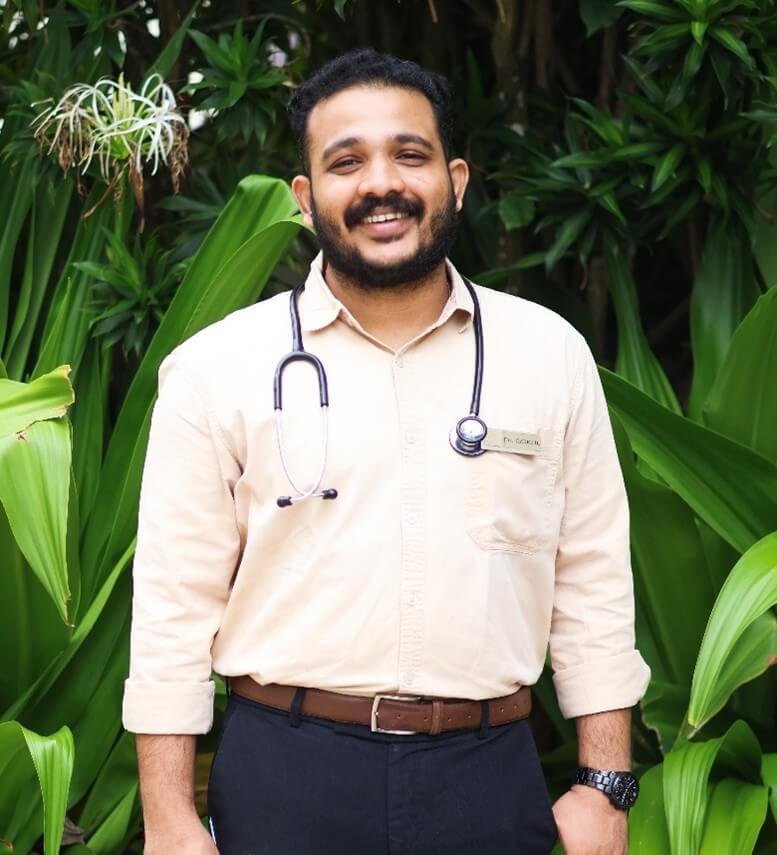
Dr Gokul M G

Consultant Physician
Rockholm Resort
Panchakarma is not just a detox therapy. It is a medically structured Ayurvedic cleansing process that requires proper preparation and recovery. What you do before and after Panchakarma treatment directly affects how effective the results will be. This guide covers everything you need to know about Panchakarma preparation and aftercare, step by step.
- What it is: Panchakarma is a classical Ayurvedic detoxification system that uses a series of therapies to remove built-up toxins and rebalance the body’s doshas.
- Why preparation matters: The body needs to be ready before cleansing procedures begin. Without proper preparation, toxins do not release as effectively.
- Why aftercare matters: After treatment, the body becomes more sensitive than usual. Diet and rest during this phase decide how long the benefits last.
- One realistic limitation: Results are not the same for everyone. Age, Health condition, and how well you follow the regimen all affect outcomes.
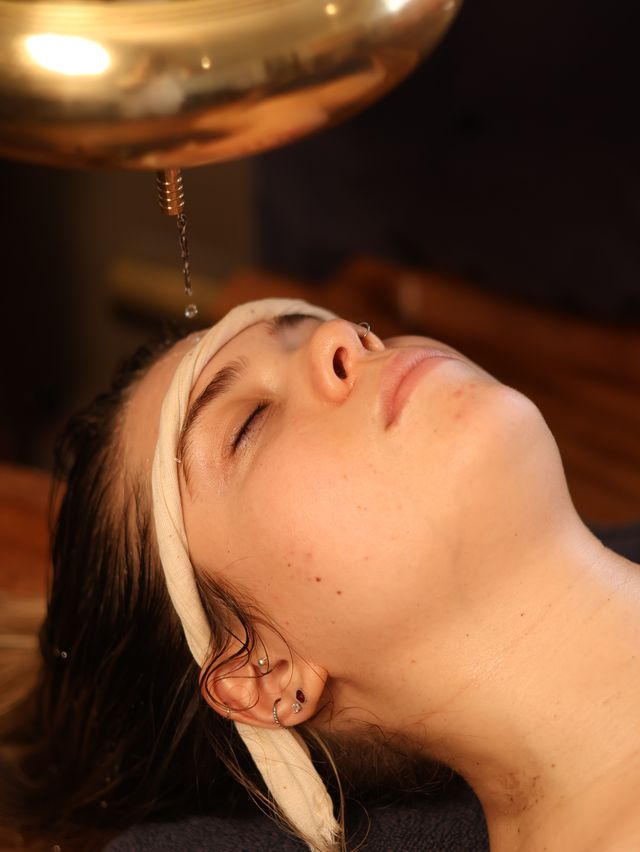
What Is Panchakarma Treatment?
Panchakarma is one of Ayurveda’s most complete healing systems. The name refers to five body purification procedures: Nasya, Vamana, Virechana, Vasti, and Raktamokshana. Each of these targets imbalanced doshas and helps remove built-up toxins from the body.
Not all five procedures are used for every person. A qualified Ayurvedic physician decides which therapies are right for you based on your dosha imbalance and health condition. The treatment is always done under expert guidance and follows a three-phase process.
Why Preparation Matters Before Panchakarma
The preparation phase in Ayurveda is called Poorvakarma. It is just as important as the treatment itself.
Before deep cleansing can happen, the body’s tissues need to soften and loosen. This allows built-up toxins to move toward the digestive tract, where they can be removed more easily.
Healthy digestion is very important before starting Panchakarma. If the digestive system is weak or overloaded, it will not respond well to the cleansing therapies.
Mental preparation also plays a role. Stress can affect the body’s ability to cleanse properly. Moving to a calmer, more relaxed routine a few days before treatment helps the therapies work better.
Things to Do Before Panchakarma Treatment
Follow these steps in the one to two weeks before your treatment starts:
- Consult an Ayurvedic physician: A full check of your dosha imbalance and current health is the most important first step before beginning any ayurvedic panchakarma treatment.
- Shift to a lighter diet: Start moving away from heavy, fried, or processed foods a few days before treatment.
- Drink warm water: Sipping warm water through the day supports healthy digestion and helps prepare the gut for the Panchakarma healing process.
- Fix your sleep routine: Going to bed and waking up at the same time each day helps your body settle into a natural rhythm before treatment begins.
- Reduce stress: Short walks, pranayama, or quiet time each day helps calm the mind and body before Panchakarma.
- Stop smoking and alcohol: Both can affect the cleansing process and reduce how well the herbal therapies work.
- Tell your doctor about all medicines: Share a full list of any medicines you are taking with your Ayurvedic physician before the panchakarma treatment process begins.
Foods to Eat Before Panchakarma
The pre-treatment diet should be warm, fresh, and easy to digest. A light diet works best during this phase.
Eat more of:
- Warm soups and broths
- Soft-cooked rice and moong dal
- Steamed vegetables with mild spices
- Herbal teas such as ginger, cumin, or coriander-based drinks
Reduce or avoid:
- Raw salads and cold foods
- Red meat and heavy snacks
- Heavy or fermented dairy
- Caffeine and fizzy drinks
The goal is to reduce the load on your digestive system before the Panchakarma detox diet begins.
Things to Avoid Before Panchakarma
Some habits work against Panchakarma preparation and should be reduced before treatment starts:
- Processed and packaged foods: These bring in additives that can affect the cleansing process.
- Too much caffeine: Disrupts sleep and raises stress levels.
- Alcohol: Weakens the liver and affects how herbal therapies work.
- Overeating: Places extra burden on the digestive system at a time when it should be lightening.
- Hard exercise: High-intensity workouts create heat and tiredness that are not helpful during preparation.
What Happens During the Panchakarma Treatment Process?
At the start of each session, the physician reviews how you are feeling. The main therapies follow a set order based on your dosha imbalance and health conditions.
The process typically includes three main steps:
- Snehana (oil preparation): Medicated ghee or herbal oil is given internally and applied to the skin to soften tissues and loosen built-up toxins.
- Swedana (steam therapy): Heat is used to open the body’s channels and help toxins move toward the digestive tract.
- Main cleansing procedures: Depending on your treatment plan, this may include Vamana, Virechana, Vasti, or Nasya, each targeting different areas and imbalanced doshas.
All sessions are carried out under direct physician supervision. During this phase, diet and rest are closely managed because the body is going through deep internal cleansing.
Things to Do After Panchakarma Treatment
The post-treatment phase is called Paschatkarma. Many people underestimate how important Panchakarma aftercare really is.
After treatment, the body has gone through deep cleansing and needs time to recover and regain strength.
- Rest well: Do not jump back into a full work or exercise routine. Light, easy activity is enough during the first week.
- Stay warm: The body becomes more sensitive to cold after Panchakarma. Avoid cold water, cold air, and cold food.
- Follow your diet plan carefully: Your physician will give you a step-by-step diet plan. Follow it even if you feel fine.
- Drink warm liquids: Warm water and herbal teas help support gut healing during recovery.
- Take prescribed herbal medicines: Rasayana, which are healing herbal medicines, are often given after treatment. Take them as directed.
- Attend follow-up visits: Digestion, sleep, and energy levels change in the weeks after Panchakarma. A follow-up helps your doctor adjust the recovery plan.
Foods to Eat After Panchakarma
The post Panchakarma diet starts with very light foods and builds up slowly over several days or weeks.
- Phase 1 (Days 1-2): Peya, which is thin rice water with a small amount of ghee. This is the starting point of the Samsarjana Krama, the traditional step-by-step diet plan followed after Panchakarma.
- Phase 2 (Days 3-4): Vilepi, which is thick rice porridge with ghee and mild spices.
- Phase 3 (Days 5-7): Soft-cooked moong dal, light vegetable soups, and plain steamed rice.
- Phase 4 (Week 2 onwards): Cooked vegetables, mild lentil dishes, and simple whole foods. Ghee is helpful at this stage as it supports gut healing.
How fast you move through these phases depends on your body and your physician’s guidance. Following this Panchakarma recovery diet properly is one of the most important parts of getting lasting results.
Things to Avoid After Panchakarma
After treatment, the body becomes more sensitive than usual. Avoid the following during the Panchakarma aftercare period:
- Junk food and processed meals: The digestive system cannot handle heavy food after deep cleansing.
- Cold food and drinks: These disrupt the restored digestive fire, known in Ayurveda as Agni.
- Alcohol and tobacco: These can cancel out the effects of the treatment.
- Long travel: Changes in surroundings and physical strain are hard on the body during recovery.
- Hard exercise: The body needs rest, not intense physical effort.
- Irregular sleep: Poor sleep habits slow down the Panchakarma healing process.
Common Mistakes After Panchakarma
Many people feel much better after treatment and think they can return to normal life right away. This is one of the most common mistakes people make during recovery.
- Eating heavy meals too soon: The digestive system has been reset. Going back to rich or spicy food before your doctor gives the go-ahead can cause discomfort and weaken the results of the treatment.
- Skipping rest days: Work and social commitments often pull people back before the body is ready. Rest is not optional. It is part of the treatment itself.
- Ignoring your doctor’s advice on diet and herbs: Post-treatment guidance is personalized to your body type. General health advice online is not a replacement for what your physician has prescribed.
- Returning to alcohol or tobacco too quickly: Even a short break after treatment leads to better long-term results. Going back too soon undoes much of the benefit.
When Can You Return to Normal Routine After Panchakarma?
There is no single answer that fits everyone. A person who had a 7-day programme will recover differently from someone who completed a 21-day course.
The key principle is to go slowly and listen to your body.
Tiredness, digestive sensitivity, and mild mood changes are normal in the first few days after treatment. These are signs that the body is still adjusting. Your Ayurvedic physician will advise when it is safe to restart activities like exercise, travel, and a fuller diet.
Rushing this process is one of the most common reasons people do not get the full benefit from their Panchakarma treatment.
Recovery Do’s and Don’ts
Do This After Panchakarma | Avoid This After Panchakarma |
|---|---|
Follow the step-by-step diet plan | Jump to heavy, spicy, or oily food |
Drink warm water and herbal teas | Have cold drinks or raw food |
Rest and keep a regular sleep routine | Push through tiredness with exercise |
Take prescribed herbal medicines | Skip follow-up consultations |
Stay warm and avoid cold environments | Travel a lot immediately after treatment |
Keep your daily routine calm and simple | Use alcohol or tobacco during recovery |
Choosing the Right Panchakarma Treatment Centre
The right panchakarma treatment centre makes a real difference to your safety and results.
Genuine Ayurvedic Panchakarma is physician-led. It is not a standard spa package that is the same for everyone.
What to look for when choosing a centre:
- Qualified physician: The treating doctor should hold a BAMS or MD Ayurveda degree from a recognised university.
- Personalised care: Your treatment plan should be built around your imbalance and health needs, not a fixed programme offered to everyone.
- Hygiene standards: Clean therapy rooms, fresh herbal preparations, and well-maintained facilities matter greatly.
- Kerala Ayurveda tradition: Kerala has one of the strongest traditions of classical Ayurvedic practice. Many of the best panchakarma treatment centres in Kerala follow original methods passed down through generations.
For those looking for the best panchakarma treatment in Kerala, Rockholm Resort offers physician-supervised Panchakarma programmes in a calm coastal setting. Treatments follow traditional Kerala Panchakarma therapy principles, with personalised consultations and guided recovery support throughout the process.
When searching for the best panchakarma treatment in India, look for centres where the doctor is directly involved in assessment, treatment, and follow-up care.
Experience Authentic Panchakarma in Kerala
Panchakarma is not a quick wellness trend or a spa detox. It is a deeply structured Ayurvedic detox treatment that requires careful preparation, expert supervision, and a disciplined recovery period.
What you eat, how you rest, and how well you follow your doctor’s guidance before and after Panchakarma plays a major role in how much benefit you get from the treatment.
At Rockholm Ayurveda Beach Resort, Panchakarma programmes are supervised by qualified Ayurvedic physicians and tailored to each person’s body type and health goals. From the first consultation to guided recovery support, all treatments follow traditional Kerala Ayurveda principles in a calm coastal environment.
If you are planning Kerala Panchakarma therapy and want to understand which programme suits your imbalance and health goals, speaking with a qualified Ayurvedic physician is always the best first step.
Frequently Asked Questions
Most Ayurvedic practitioners advise against non-vegetarian food during Panchakarma. The treatment focuses on detoxification and gut healing. Animal proteins are heavier to digest and can slow down the cleansing process at a time when the body needs to be lightened.
Yes, improving digestive health is one of the main goals of Panchakarma treatment. Therapies like Virechana and Basti directly support the digestive tract. Many people notice better gut function, improved regularity, and a stronger appetite after a well-managed programme.
Most practitioners recommend at least 5 to 7 days of light activity and careful eating after the main treatment ends. For longer or more intensive programmes, the recovery period may extend to two weeks or more depending on how your body responds.
Panchakarma is not suitable for everyone. Pregnant women, people with certain infections, serious heart conditions, or other specific health issues may not be good candidates. A full medical assessment by a qualified Ayurvedic physician before treatment is essential to check whether it is right for you.
The core Panchakarma procedures require physician supervision, proper equipment, and medicated herbal formulations. These cannot be safely recreated at home. Some simple preparation practices can be followed at home under guidance, but the main treatment should always be carried out at a proper panchakarma treatment centre.
Panchakarma is generally not painful. Some therapies may cause mild tiredness or temporary discomfort, especially during deeper cleansing procedures like Virechana or Basti. This is a normal part of the process. A qualified practitioner will monitor you throughout and adjust as needed.