



How to Plan an Ayurveda Diet According to Your Dosha

Dr. Akhila Remanan

Food is one of the simplest ways Ayurveda helps you feel more steady day to day. The idea is not strict rules or perfect meals, it is noticing how different foods affect your energy, digestion and mood. Because each person is built a little differently, the same dish can feel grounding for one person and too heavy for another. In this guide, you will learn how to plan an Ayurveda Diet based on your dosha so your meals feel more supportive, seasonal and realistic.
What Is an Ayurveda Diet
An Ayurveda Diet is a way of eating that supports balance through mindful choices, proper digestion and seasonal rhythm. In Ayurveda, food is often described as a daily form of nourishment that can either support harmony or create strain, depending on how it matches your dosha imbalance and your current environment.
A few simple ideas sit at the center of an Ayurveda Diet:
- Focus on good digestion
- Prefer freshly cooked meals
- Eat seasonal and local food
- Based on the three doshas
This is not a medical system you use to self diagnose. Think of it as a gentle framework for building a calmer relationship with food.
Understanding Your Dosha Before Planning Your Diet
Before you start adjusting meals, it helps to understand your dosha. Ayurveda describes three core patterns:
- Vatha is linked with movement and change. People with strong vata qualities often feel light, quick or variable in appetite and routine.
- Pitha is linked with heat and intensity. People with strong pitta qualities often prefer structure, may feel warm easily and often have a steady appetite.
- Kapha is linked with stability and grounding. People with strong kapha qualities often have steady energy, may prefer comfort foods and can feel heavy if meals are too rich.
Many people relate to more than one dosha, and your current state can shift with stress, travel and seasons. This is why a vatha pitha kapha diet is not about labelling yourself forever. It is about learning your tendencies, then planning an Ayurveda Diet that fits your day.
If you are new and want a deeper explanation, start with an overview of Ayurveda Doshas, then explore the Ayurveda Doshas types to see which patterns you relate to.
Ayurveda Diet Guidelines for Each Dosha
Below are gentle, beginner friendly ways to shape an Ayurveda Diet for your dominant dosha. Keep it flexible, and use your own comfort as feedback.
Ayurveda Diet for Vatha
Vatha tends to benefit from warmth, moisture and regularity.
Preferred tastes: sweet, sour, salty
Ideal foods: warm porridges, khichdi, soups, cooked rice, root vegetables, stews, ripe fruit, soaked nuts, warm milk alternatives if they suit you, small amounts of ghee or sesame oil
Foods to limit: very dry snacks, raw salads at night, iced drinks, too much caffeine, large amounts of beans without proper cooking and spices
Eating habits: eat at consistent times, choose warm breakfasts, avoid skipping meals, sit down to eat and slow your pace
A simple vatha friendly Ayurveda Diet plate often looks like cooked grain plus cooked vegetables plus a soft protein like mung dal.
Ayurveda Diet for Pitha
Pitha often does best with cooling, calming foods and moderate spice.
Preferred tastes: sweet, bitter, astringent
Ideal foods: cucumber, melons, cooked greens, basmati rice, oats, coconut, coriander, fennel, mint, buttermilk in small amounts if it suits you, gentle herbal teas
Foods to limit: very spicy foods, deep fried meals, excess sour foods, heavy alcohol, too many pickles or very salty snacks
Eating habits: do not work through meals, avoid late lunches that trigger overeating, keep spices supportive but not intense, cool down with room temperature drinks instead of ice
A pitha balancing Ayurveda Diet is not bland, it is simply less aggressive in heat and acidity.
Ayurveda Diet for Kapha
Kapha usually benefits from lightness, warmth and movement after meals.
Preferred tastes: pungent, bitter, astringent
Ideal foods: warm vegetable soups, lightly spiced dal, barley or millet, steamed greens, ginger, black pepper in small amounts, legumes cooked well, seasonal fruits in moderate portions
Foods to limit: heavy dairy, very sweet desserts, deep fried foods, large portions of rice at night, frequent snacking
Eating habits: keep meals a little lighter in the evening, reduce grazing, take a short walk after meals, choose warming spices and avoid too many cold smoothies
A kapha supportive Ayurveda Diet often feels simple, warm and not overly rich.
| Dosha | Dominant Qualities | Foods to Favor | Foods to Limit | Eating Style Tip |
|---|---|---|---|---|
| Vatha | Light, dry, cool, changeable | Warm cooked meals, soups, stews, cooked grains, ripe fruit, healthy oils | Keep routine steady, eat warm breakfast, avoid skipping meals | Keep routine steady, eat warm breakfast, avoid skipping meals |
| Pitha | Hot, sharp, intense, focused | Cooling foods, cooked greens, cucumber, coconut, coriander, fennel, simple grains | Very spicy foods, deep fried meals, excess sour and salty foods | Eat on time, keep spice moderate, cool down with room temperature drinks |
| Kapha | Heavy, slow, steady, moist | Light warm meals, steamed vegetables, legumes, ginger, warming spices | Too much dairy, sweets, fried foods, frequent snacking | Choose lighter dinners, add movement after meals, avoid cold smoothies |
Ayurvedic Food Principles for Daily Balance
Once you understand your dosha, daily habits become easier. These ayurvedic food principles can make an Ayurveda Diet feel calm rather than complicated.
- Choose fresh and seasonal foods when you can. A simple home cooked meal often feels more supportive than a highly processed one.
- Prefer warm meals over cold meals most days, especially when you feel stressed, tired or out of routine. Warmth is not about spice level; it is about temperature and digestibility.
- Keep meal timing steady. Many people find that a satisfying lunch and a lighter dinner feels easier than heavy late-night meals.
- Also try eating with full attention when possible. A phone free meal even a few times a week can change how you sense hunger and fullness.
For more inspiration on traditional meals and ingredients, explore Ayurveda Food.
Can an Ayurveda Diet Change with Seasons
Yes, seasonal shifts are a big part of the tradition. A warm stew might feel perfect during a rainy season, while a lighter lunch may feel better during peak summer.
A dosha-based diet often changes with climate, travel, workload and sleep patterns. For example:
- In hot weather, many people prefer more cooling foods and lighter spice.
- In cold or windy weather, warm cooked meals and regular timing can feel more supportive.
- During monsoon or high humidity, simple freshly cooked meals may feel easier than heavy leftovers.
The best seasonal approach is flexible. Keep your Ayurveda Diet simple, then adjust gradually rather than changing everything overnight.
Why Kerala Is Ideal for Experiencing an Ayurveda Diet
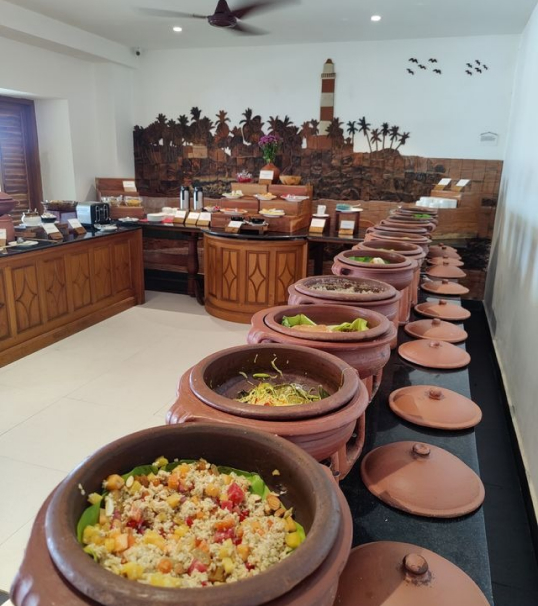
Kerala is often seen as one of the most authentic places to experience Ayurveda in a traditional setting. The cuisine is naturally rich in fresh ingredients, coconut, herbs and regional cooking methods that align well with Ayurvedic routines.
Traditional food preparation is a key part of the experience. Meals are often cooked fresh, served warm and designed to feel light yet satisfying.
Most importantly, an Ayurveda Diet in Kerala is often part of a wider ayurvedic lifestyle that includes daily rhythm, rest, gentle movement and mindful practices.
At Rockholm, meals are often described as part of the overall sense of calm guests come for, especially when combined with a coastal setting. If you want to explore a retreat environment designed around rest, food and routine, Rockholm Ayurveda Beach Resort is one place traveller’s consider for an immersive Kerala stay.
Conclusion
Planning an Ayurveda Diet starts with one simple step: understand your dosha and eat in a way that supports it. When meals match your tendencies, food often feels more grounding, cooling or light, depending on what you need.
Mindful choices like warm freshly cooked meals, steady timing and seasonal eating can make your routine feel calmer without turning food into a strict project.
If you would like to experience an Ayurveda Diet in a place where traditions are still lived daily, Kerala is a gentle starting point. For traveller’s exploring authentic coastal wellness settings, Rockholm offers a chance to connect food, routine and rest in a natural way.
faq's
An Ayurveda Diet is a way of eating that matches your body dosha imbalance and current season, focusing on warm, fresh meals and mindful habits.
You can start by learning the basics of Vatha Pitha Kapha then use a practitioner consultation for a more personal view.
Yes, many people use an Ayurveda Diet as a daily guide. It works best when you keep it flexible and practical.
It can be vegetarian, and many Ayurvedic meals are plant based, but it depends on your preferences, culture and guidance you follow.
Very spicy foods, deep fried meals, excess sour pickles and heavy alcohol are commonly considered to raise pitha.
It varies. Some people notice small changes in comfort and energy within days, while deeper balance often depends on routine, sleep and consistency over time.