




Ayurveda Doshas and Their Role in Health and Lifestyle

Dr. Gokul

Ayurveda can feel mysterious at first, especially when you hear new words like “dosha” and “prakriti”. The good news is that the core idea is simple.
Ayurveda Doshas are like natural energies that help explain why people differ in appetite, sleep, mood, digestion and even how they respond to weather or stress. They are not labels or medical diagnoses. They are a gentle framework for self-awareness and daily balance.
In this guide, you will learn what doshas are, how they shape lifestyle choices and how to explore Ayurveda in a beginner friendly way.
What are Ayurveda Doshas
Doshas describe how the five classical elements (space, air, fire, water and earth) express themselves in the body and mind.
In practical terms, doshas help you notice patterns such as:
- Do you run warm or cool most days
- Do you feel hungry often or forget to eat
- Do you love movement and variety or routine and stability
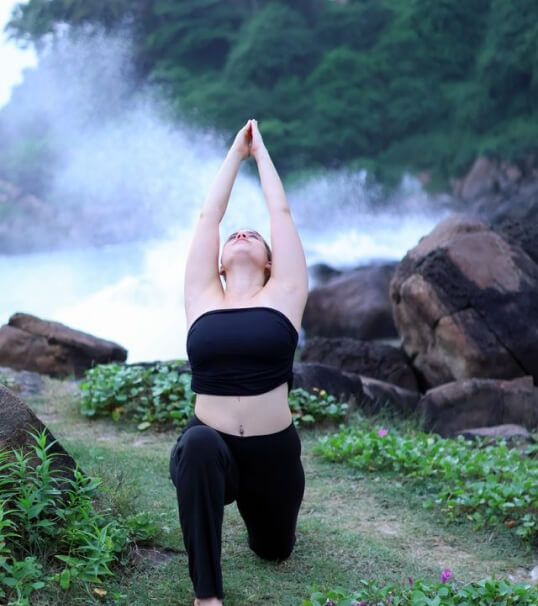
Ayurveda usually focuses on keeping your natural constitution steady while adjusting daily habits through food, sleep, movement and calming rituals.
If you are new to it, think of Ayurveda as a lifestyle tradition with deep roots in India that many people use to support everyday wellbeing. For background you can also read the NCCIH overview of Ayurvedic medicine.
Understanding the Three Doshas in Ayurveda
You will often hear about the three doshas in ayurveda as a starting point. Everyone has all three, usually with one or two being more dominant.
Here is a simple comparison table you can refer back to while reading.
| Dosha | Key Elements | Body Type | Common Imbalance Signs | Simple Lifestyle Tips |
|---|---|---|---|---|
| Vata | Space and air | Light, quick, often dry skin | Restlessness, irregular appetite, dryness, disrupted sleep | Warm meals, consistent routine, gentle yoga, early bedtime |
| Pitta | Fire and water | Medium build, warm body | Irritability, overheating, acidity, impatience | Cooling foods, shade at midday, calming breathwork, steady meals |
| Kapha | Earth and water | Sturdy build, steady energy | Sluggishness, heaviness, low motivation, congestion | Light warm meals, morning movement, reduced daytime naps, variety in routine |
Vata Dosha Characteristics
- Vata is linked with movement. People with more Vata often think fast, talk fast and enjoy change.
- They may thrive when life feels spacious and creative.
- When Vata feels out of balance, many people notice dryness, scattered focus and sleep that feels light.
Pitta Dosha Characteristics
- Pitta is linked with transformation, especially digestion and metabolism.
- People with more Pitta often like structure, goals and clarity.
- When Pitta builds up, it can show up as feeling overheated or easily irritated, especially with spicy foods, late nights or intense sun.
Kapha Dosha Characteristics
- Kapha is linked with stability and nourishment.
- People with more Kapha often feel grounded, loyal and steady.
- When Kapha increases too much, many people describe a heavy feeling, slow mornings or low enthusiasm.
How Ayurveda Doshas Influence Daily Life
Your dosha pattern can gently influence what feels “normal” for you, from the pace of your day to the kinds of foods you naturally choose. This is the heart of the Ayurveda Doshas role in lifestyle planning.
For example,
- A Vata leaning person often feels better with routine, warmth and simple meals.
- A Pitta leaning person often does well with cooling breaks, calmer evenings and less overstimulation.
- A Kapha leaning person often benefits from consistent movement and lighter dinners.
If you enjoy travel and wellness retreats, this mindset can also shape how you choose experiences, whether you prefer quiet restoration, guided activity or structured programs.
Benefits of Balancing Ayurveda Doshas
When people talk about Ayurveda Doshas benefits, they usually mean practical outcomes like feeling more steady in daily rhythms.
Balance in Ayurveda is often described as:
- More consistent energy through the day
- A calmer response to seasonal changes
- Sleep that feels more restorative
These are personal wellbeing goals rather than promises. Ayurveda is traditionally individualized which is why guidance from trained practitioners matters.
How to Identify Your Dosha Type
You might see an online ayurveda dosha test that asks about body type, cravings, mood and sleep.
These quizzes can be a friendly introduction but they are not definitive.
A more authentic approach is a consultation with an Ayurvedic doctor who looks at your unique patterns, current season and your daily routine.
If you are exploring Ayurveda in Kerala, many guests value an initial consultation because it makes the experience feel personal rather than generic. You can also explore a gentle overview of programs at an Ayurveda Treatment in Kerala destination and see how consultations often guide the plan.
Ayurveda Lifestyle Tips for Dosha Balance
There is no perfect routine for everyone. Still, a few beginner friendly habits tend to work well across many constitutions.
Start with small changes you can actually keep.
- Keep meal times steady most days
- Favor warm cooked foods in cooler or windy weather
- Reduce screen time close to bedtime
- Add a short daily walk, light yoga or simple breathwork
In Ayurveda, consistency is often more powerful than intensity.
Also remember that seasons matter. Hot months can increase Pitta. Rainy windy months can increase Vatha. Cool damp periods can increase Kapha. This is where Ayurveda Doshas life becomes a practical lens: you adjust your routine like you would adjust clothing for weather.
If you want a simple reference on the core triad, you can read more about Vatha Pitta Kapha and how the qualities show up day to day.
Bringing Dosha Wisdom Into a Wellness Holiday
Learning about doshas can make wellness feel more personal. Instead of copying someone else’s routine, you begin to choose what suits your body. That is also why many travellers enjoy Ayurveda in a peaceful coastal setting, where daily rhythm, mindful food and gentle therapies support a sense of balance.
If you are comparing stays, a calm Ayurveda Beach Resort environment can be ideal for slowing down and noticing what your body is asking for.
You might even come across places like Rockholm during your research and notice how different resorts express Ayurveda through consultations, food and daily rituals.
Conclusion
Ayurveda doshas offer a simple way to understand your natural tendencies and the habits that help you feel steady through changing seasons and busy schedules.
The key takeaway is not to chase perfection. It is to notice patterns then choose small daily supports that keep you closer to balance.
If you feel inspired to go deeper, exploring authentic Ayurvedic wellness experiences at Rockholm Resort can be a meaningful next step, especially if you value personalized consultation, traditional therapies and a calming seaside setting.
faq's
A dosha is a pattern of qualities and energies that Ayurveda uses to describe how your body and mind tend to function. It helps guide lifestyle choices like food, sleep and daily routine.
They are Vatha, Pitta and Kapha. Everyone has all three in different proportions.
Many people start by reducing very spicy foods, avoiding harsh midday heat and building calming evening routines. A practitioner can personalize this based on your constitution.
You can start with observation or a beginner’s quiz but the most reliable method is an Ayurvedic consultation that considers your current state along with your natural tendencies.
Kapha balancing often focuses on movement, lighter dinners and a more active morning routine. Many people also feel better when they add variety and reduce heavy snacks.
Kapha balancing often focuses on movement, lighter dinners and a more active morning routine. Many people also feel better when they add variety and reduce heavy snacks.