



Top 7 Meditative Asanas to Improve Focus and Reduce Anxiety

ABHIJITH V K

Yoga Teacher
Rockholm Resort
Your mind calms down when your body feels safe and relaxed. Meditative Asanas and easy meditative poses can help you get there by easing physical tension, which lets your breathing gradually slow. Regular practice can reduce anxiety and clear your head without strain and is often considered the best asana for meditation approach for beginners.
At Rockholm beach resort in Kovalam, people often find that the simpler, the better. We’ve chosen these seven gentle poses to help your mind settle—even if you’re new to yoga.
Why Easy Meditative Asanas Help Your Mind
The way you position your body affects your nervous system. When your muscles are relaxed and your spine has support, the signals of stress lessen, and you don’t react as strongly. Simple meditative positions quietly encourage focus, emotional balance, and a steady mind over time. Understanding different types of asanas helps you choose poses that support both physical comfort and mental calm.
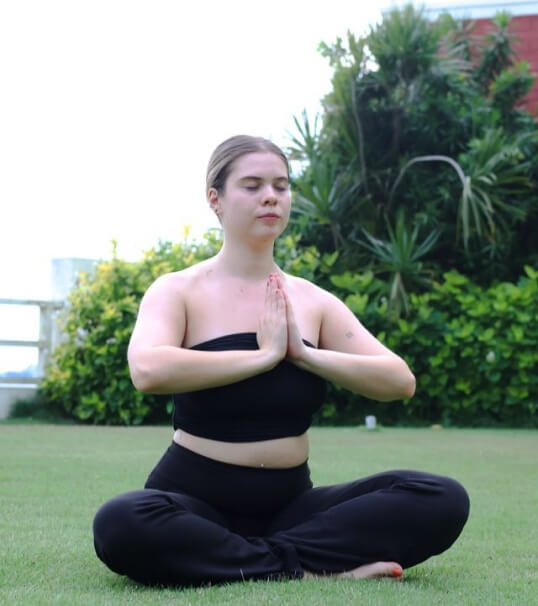
Seven Easy Meditative Poses to Try
- Sukhasana (Easy Sitting Pose)
Sukhasana feels natural and familiar, so your body stays relaxed but alert. With little effort, your breath evens out, and your mind starts to quiet. It’s especially useful if you feel scattered or overwhelmed is one of the commonly practiced meditative yoga asanas.
- Vajrasana (Comfortable Kneeling Pose)
Vajrasana gives you a sense of being grounded and stable. Being close to the earth can help quiet racing thoughts. This pose encourages calm awareness and is a good choice if you don’t like sitting cross-legged.
- Swastikasana (Balanced Cross-Legged Pose)
This pose promotes balance, which helps your spine stay upright without strain. Swastikasana supports alert relaxation, making it good for longer meditation and breathing exercises.
- Ardha Padmasana (Half Lotus Pose)
Ardha Padmasana provides a gentle structure without being too intense. It creates a stable base that helps support inner focus while keeping you comfortable. The pose encourages stillness and balance, helping you turn your attention inward naturally.
- Baddha Konasana (Supported Bound Angle Pose)
This soft, open pose helps release tension in your hips, an area closely linked to emotional stress. With support, your body can fully relax, letting your mind settle into a quieter state.
- Shashankasana (Resting Forward Fold)
Shashankasana is very calming. The gentle forward motion invites you to let go, easing mental pressure and emotional overload. It’s particularly helpful when you feel tired or anxious.
- Shavasana (Deep Rest Pose)
Shavasana allows your body and mind to completely relax. When you do it mindfully, it can be a meditative experience, helping your nervous system reset and your mind clear.
What to Expect with Regular Practice
Regular practice of these gentle meditative poses can help you:
- Lessen anxiety and mental tension
- Pay attention longer and balance your emotions
- Sleep and relax better
- Build a solid base for meditation
These benefits of meditative asanas appear slowly, making the practice sustainable and comforting.
A Peaceful Approach at Rockholm
At Rockholm’s seaside Ayurveda retreat in Kovalam, you’ll practice meditative poses with care, comfort, and personalized attention. Instructors help support your body so your mind can relax naturally, combining posture with breath awareness and guided relaxation.Being surrounded by the sound of the sea makes even short sessions deeply refreshing.
faq's
Yes. By keeping your body still and comfortable, these poses reduce sensory input, which naturally slows down repetitive thoughts.
Many people feel calmer right after practice. Practicing regularly for a few weeks will make improvements in focus, emotional balance, and stress levels more consistent.
Discomfort means you need to adjust. Use cushions, change the pose, or gently stop the asana. Meditation should feel supportive, not something you have to force.
Yes. They’re often part of Ayurveda programs because they support mental balance, improve breath awareness, and naturally go well with healing therapies.
Yes. Meditative asanas are often integrated into Ayurveda programs because they support mental balance, improve breath awareness, and naturally complement healing therapies.