




What Is an Abhyanga Massage? The Complete Guide to Its Benefits, Procedure, and Effects

Dr. Gokul

An Abhyanga massage is the traditional Ayurvedic full-body oil massage originating from India. The word comes from Sanskrit and is commonly translated as “anointing the body with loving hands.” During the ayurveda treatment in kerala, the entire body is massaged with warm herbal oil using gentle, rhythmic strokes that are tailored to specific body areas. Unlike a conventional wellness massage, Abhyanga is not primarily intended to relieve muscle tension. Instead, it aims to support the nervous system, promote balanced energy flow etc.
The Origins of a 5,000-Year-Old Practice
Abhyanga is not a modern wellness trend but one of the world’s oldest documented ayurveda massage therapies. Within Ayurveda, the traditional system of medicine from India, it has been practiced for more than 5,000 years. Ancient Vedic texts describe it as part of a daily routine for ayurveda rejuvenation, and maintaining overall well-being.
Ayurveda teaches that every individual is made up of a unique balance of the three doshas: Vata (air and space), Pitta (fire and water), and Kapha (earth and water). Abhyanga is especially valued for balancing Vata, which is associated with movement. The warm herbal oils and smooth, rhythmic massage strokes are traditionally believed to help counter these qualities.
How Does an Abhyanga Massage Work?
A professional Abhyanga massage follows a structured sequence that has been refined over centuries and differs significantly from most Western massage techniques.
Preparation
The Ayurveda treatment room is kept comfortably warm, often with soft lighting and calming music. The herbal oil is gently heated. The guest is usually covered with towels or appropriate draping throughout the session to ensure comfort and privacy while allowing the oil to be applied directly to the skin.
The Massage Procedure
Head:
The massage begins at the scalp with gentle circular movements that help relax the head and calm the nervous system.
Arms and Hands:
Long strokes run from the shoulders to the fingertips, combined with circular movements around the joints. Each finger and palm receives individual attention, as these areas are considered important energy zones in Ayurveda.
Chest and Abdomen:
Gentle circular movements are performed clockwise around the navel to traditionally support healthy digestion.
Back:
Long, flowing strokes are applied along the muscles beside the spine without placing pressure directly on the vertebrae.
Legs and Feet:
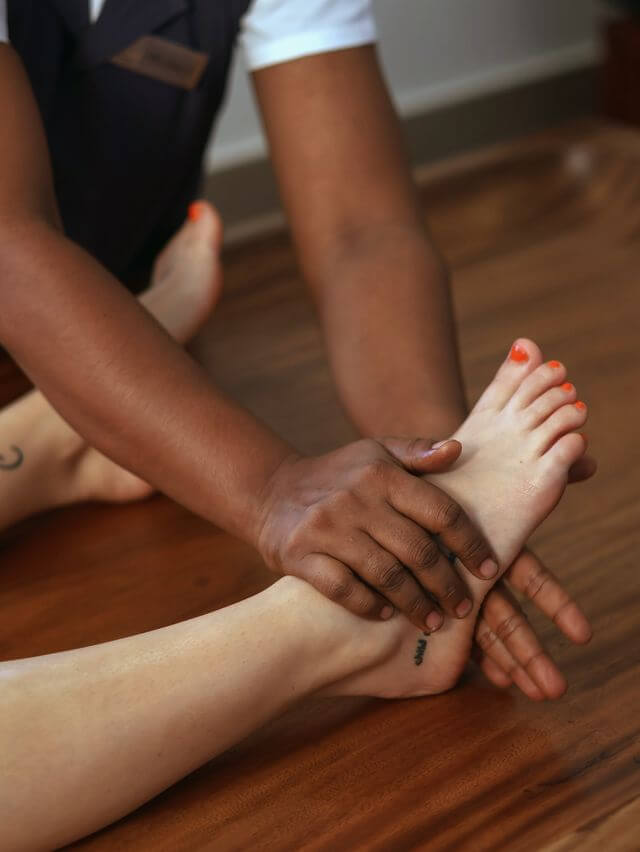
The therapist uses long strokes from the thighs to the toes. Special attention is given to the soles of the feet, where important Marma (energy) points are traditionally believed to be located.
Completion:
The treatment concludes with soothing full-body strokes that create a sense of balance and relaxation.
| Aspect | Quick Explanation |
|---|---|
| Origin | Ayurveda, India, with a tradition spanning over 5,000 years |
| Main Purpose | Balances Vata dosha, nourishes body tissues, and supports the body's natural cleansing processes |
| Duration | 60 minutes |
| Oil Used | Warm herbal oil selected according to the individual's dosha imbalance |
How Is Abhyanga Different from Other Ayurvedic Massages?
Abhyanga is often confused with other Ayurvedic therapies, but each has a different purpose.
- Udvartana: A vigorous herbal powder massage traditionally used to exfoliate the skin and stimulate circulation.
- Marma Massage: Focuses specifically on the body’s vital points.
- Pinda Sweda: Uses warm herbal poultices to provide deeper therapeutic heat.
Among these therapies, Abhyanga is considered one of the gentlest and most comprehensive Ayurvedic massage techniques.
What Are the Benefits of an Abhyanga Massage?
Abhyanga is traditionally believed to support both physical and mental well-being.
Physical Benefits
The warm herbal oil helps moisturize the skin and leaves it feeling soft and nourished. The massage may promote healthy circulation and lymphatic flow while helping the body relax. Many people also report improved sleep quality after regular sessions.
Mental and Emotional Benefits
The slow, rhythmic strokes create a calming experience that encourages deep relaxation. The warmth of the oil and the repetitive massage movements help activate the body’s relaxation response, allowing many people to feel calmer and more emotionally balanced after the session.
The Ayurvedic Perspective
According to Ayurvedic philosophy, Abhyanga is especially beneficial for balancing Vata dosha. Individuals with a Vata imbalance may experience restlessness, dry skin, or difficulty sleeping, and Abhyanga is traditionally recommended to help restore balance. The massage can also be adapted to suit Pitta and Kapha imbalance through different oils and techniques.
Who Should Consider an Abhyanga Massage?
Abhyanga may be suitable for people experiencing:
- Chronic stress or fatigue
- Poor sleep or restlessness
- Dry skin
- Mild joint stiffness without acute inflammation
- Neck and shoulder muscle tension
- A desire for deep relaxation and overall well-being
When Should You Avoid Abhyanga?
Abhyanga is generally not recommended for people with:
- Fever or acute infections
- Open wounds or active skin conditions
- Severe varicose veins or thrombosis
- Recent surgery
- The first trimester of pregnancy (unless specifically advised by a qualified practitioner)
- Serious cardiovascular conditions
If you have any medical concerns, consult your healthcare provider or an experienced Ayurvedic practitioner before booking a session.
Are There Any Side Effects?
Abhyanga is generally considered a gentle therapy with very few risks when performed by a qualified practitioner. However, some people may occasionally experience:
- Mild dizziness, especially if they have low blood pressure
- Temporary skin irritation if sensitive to certain oils
- Increased sweating or bowel movements, which Ayurveda traditionally views as part of the body’s natural cleansing process
- Emotional release, such as unexpected tears or feelings of sadness during deep relaxation
These reactions are usually temporary and resolve within a short time.
Tips for Your First Abhyanga Massage
- Eat a light meal at least two hours before your appointment.
- Drink plenty of warm water afterward.
- Allow yourself time to rest after the treatment.
- For long-term benefits, schedule regular sessions rather than relying on a single treatment.
A Common Mistake to Avoid
Many people underestimate the importance of resting after an Abhyanga massage. Feeling deeply relaxed or slightly sleepy afterward is completely normal. Planning a quiet afternoon instead of returning immediately to work or intense exercise allows you to enjoy the full benefits of the experience.
What You Can Do Next
If you are interested in trying an Abhyanga massage, look for a reputable Ayurvedic wellness center or a qualified practitioner with recognized training and certification. Before your first session, arrange a consultation to discuss your health history, personal goals, and any concerns. An experienced physician will recommend the most appropriate herbal oil and treatment approach based on your individual needs.
faq's
The massage starts at the head and gradually moves through the arms, chest, abdomen, back, legs, and feet. A typical session lasts 60 minutes
The treatment follows a structured sequence that includes warmed herbal oil, systematic massage of each body area, and a resting period designed to encourage relaxation and restore balance according to Ayurvedic principles.
Most people experience no significant side effects. Occasionally, temporary dizziness, mild skin irritation, or emotional release may occur, but these effects are usually short-lived.
An Ayurvedic massage may help promote relaxation, support healthy circulation, nourish the skin, encourage restful sleep, and contribute to overall well-being while following traditional Ayurvedic practices.
During a professional Abhyanga massage, appropriate draping is typically used to protect your privacy while allowing the therapist to apply warm herbal oil directly to the skin.
Ayurveda traditionally recommends regular Abhyanga as part of a healthy lifestyle. For many people, weekly sessions provide a practical way to enjoy its relaxing and restorative benefits over time.