




What Is Ayurvedic Detoxification and How Does It Work?

Dr. Gokul

Ayurvedic detoxification is an ancient healing process rooted in Ayurveda, India’s traditional system of medicine, that cleanses the body of accumulated toxins known as ama. It works by restoring balance among the three doshas (Vatha, Pitha, and Kapha) through a structured combination of herbal therapies, dietary adjustments, and purification treatments. The key benefit is a deep, holistic renewal of both body and mind, making it especially powerful when experienced in the natural healing environment of Kerala.
What Is Ayurvedic Detoxification?
Ayurvedic detoxification, often called Shodhana Chikitsa, is more than a cleanse. It is a complete therapeutic process designed to remove impurities that have built up in the body’s tissues, organs, and channels over time.
According to Ayurvedic philosophy, the root cause of most diseases is the accumulation of ama, a toxic residue formed when the digestive fire (Agni) is weak. Ayurvedic detox works by first loosening these toxins, then guiding them out of the body through specific elimination pathways.
The process is always personalised. A qualified Ayurvedic physician first assesses your current state of imbalance (Vikriti) before recommending a detox plan.
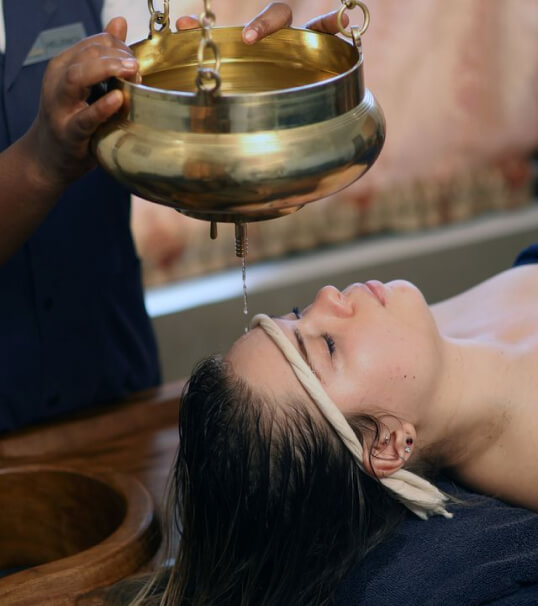
What is Panchakarma?
Panchakarma is the cornerstone of Ayurvedic detoxification. The word means “five actions” in Sanskrit and refers to five classical purification therapies: Vamana (emesis), Virechana (purgation), Vasti (enema), Nasya (nasal cleansing), and Raktamokshana (blood letting). They systematically eliminate toxins from every major body system.
How Does Ayurvedic Detox Work? A Step-by-Step Process
Ayurvedic detox follows a carefully sequenced three-phase protocol. Each phase prepares the body for the next, ensuring the process is safe, effective, and sustainable.
Phase 1: Purvakarma (Preparation)
- Snehana (oleation): Medicated ghee or oils are consumed internally and applied externally to soften tissues and loosen toxins from their deep-seated locations.
- Swedana (sudation): Herbal steam therapy opens the channels (srotas) and encourages loosened toxins to move toward the digestive tract for elimination.
- Dietary changes: Light, easily digestible foods such as rice and lentils are prescribed to reduce the digestive load and prepare the gut.
Phase 2: Pradhanakarma (Main Detox)
- This is the active purification phase where Panchakarma therapies are administered.
- The specific therapies chosen depend on the patient’s dosha imbalance and health condition.
Phase 3: Paschatkarma (Recovery and Rejuvenation)
- A gradual reintroduction of foods, starting with easily digestible preparations.
- Rasayana (rejuvenation) herbs and formulations are prescribed to rebuild strength.
- Lifestyle and dietary guidelines are provided to maintain the benefits long-term.
Ayurvedic Detox Stages at a Glance
| Stage | Purpose | Methods Used |
|---|---|---|
| Purvakarma (Preparation) | Loosen deep-seated toxins (ama) | Medicated oils, dietary changes, sudation |
| Pradhanakarma (Detox) | Eliminate toxins through natural channels | Panchakarma therapies (Virechana, Vasti, etc.) |
| Paschatkarma (Recovery) | Restore balance and strengthen the body | Rejuvenating diet, herbal supplements, lifestyle guidance |
Key Therapies Used in Ayurvedic Detoxification
Panchakarma detox uses a range of specialised therapies. Each one targets a different system within the body and addresses specific dosha imbalances.
| Therapy | Sanskrit Meaning | Primary Benefit |
|---|---|---|
| Abhyanga | Oil massage | Relaxes the body, stimulates lymphatic drainage |
| Swedana | Steam therapy | Opens pores, loosens toxins in tissues |
| Virechana | Therapeutic purgation | Detoxifies the body and balances Pitta dosha |
| Vasti | Enema | Cleanses the colon, balances Vata dosha |
At a wellness retreat like Rockholm in Kovalam, these therapies are delivered by trained Ayurvedic physicians in an environment naturally conducive to healing, combining sea, air, herbs, and authentic practice.
Benefits of Ayurvedic Detox
A properly conducted Ayurvedic cleansing programme offers benefits that extend well beyond basic detoxification. Regular Panchakarma detox has been associated with the following:
- Improved digestion and relief from bloating, constipation, and acidity
- Boosted immunity through removal of ama and strengthening of Ojas (vital energy)
- Reduced stress and anxiety by calming an overactive Vatha dosha
- Enhanced mental clarity and better focus
- Healthier, more radiant skin through internal cleansing
- Improved sleep quality and energy levels
- Weight management by restoring metabolic balance
- Relief from chronic conditions such as joint pain, fatigue, and skin disorders
Who Should Consider Ayurvedic Detox?
Ayurvedic body cleansing is not just for those with existing health conditions. It is beneficial for anyone experiencing the following:
- Persistent fatigue or low energy that does not improve with rest
- Chronic stress, brain fog, or difficulty concentrating
- Digestive imbalances such as irregular bowel movements or frequent bloating
- Skin issues like acne, dullness, or recurring rashes
- Lifestyle imbalances from poor diet, sedentary habits, or erratic sleep
- A desire for a deeper, more holistic reset after seasons of overindulgence
Even individuals in good health can benefit from an annual Ayurvedic cleanse as a preventive measure. Ayurveda views seasonal detox as essential to maintaining long-term wellness.
Why Kerala Is the Ideal Destination for Ayurvedic Detoxification
Kerala is widely regarded as the birthplace and heartland of authentic Ayurvedic practice. Unlike other regions where Ayurveda has been diluted or commercialised, Kerala has maintained an unbroken lineage of traditional knowledge passed down through generations of Vaidyas (Ayurvedic physicians).
The state’s tropical climate, abundant medicinal plant biodiversity, and high humidity create the perfect conditions for Panchakarma detox. The monsoon season (June to August) is particularly considered the best time for Ayurvedic treatments in Kerala , as the open pores and cool temperatures enhance the easy expulsion of doshas.
Kovalam, a coastal village in southern Kerala, has become one of India’s foremost wellness destinations. The combination of clean sea air, lush green landscapes, and proximity to experienced Ayurvedic practitioners makes it uniquely suited for immersive detox retreats.
Rockholm, set on the cliffs of Kovalam overlooking the Arabian Sea, is one such destination where authentic Ayurvedic packages in Kerala are offered in a serene, medically supervised environment. The holistic natural detox programmes at Rockholm are designed in alignment with classical Ayurvedic principles and are tailored to each guest’s imbalaces.
Tips Before Starting an Ayurvedic Detox Programme
To get the most from your Ayurvedic cleansing experience, keep the following in mind:
- Always consult a qualified Ayurvedic doctor for a proper assessment before starting any programme.
- Avoid self-prescribing extreme detox practices found online; Ayurvedic detox is highly individualised.
- Begin simplifying your diet 5 to 7 days before the programme starts to ease the transition.
- Reduce caffeine, alcohol, and processed foods in the lead-up to your detox.
- Be prepared for a period of rest and inward focus; Ayurvedic detox works best when the mind is quiet.
- Plan for adequate time, as a meaningful Panchakarma detox typically requires at least 14 days.
- Follow all post-detox dietary and lifestyle recommendations provided by your physician.
Conclusion
Ayurvedic detoxification is not a quick fix. It is a deeply intelligent, time-tested system of healing that addresses the root causes of imbalance rather than masking symptoms. Whether you are dealing with chronic fatigue, digestive issues, stress, or simply wish to restore your natural vitality, Panchakarma detox offers a comprehensive, holistic path to renewal.
Kerala, and particularly the coastal wellness haven of Kovalam, offers the most authentic environment to experience this transformation. Guided by tradition, supported by nature, and delivered by skilled practitioners, an Ayurvedic detox in India is one of the most profound investments you can make in your long-term health.
If you are considering an Ayurvedic body cleansing retreat, Rockholm in Kovalam provides a medically supervised, deeply personalised experience that honours both the science and the spirit of Ayurveda.
faq's
Ayurvedic detoxification is a structured, personalised cleansing process from India’s ancient healing system. It removes accumulated toxins (ama) from the body’s tissues and channels by restoring balance among the three doshas (Vatha, Pitha, Kapha)
Focus on digestion (Agni): eat warm foods, use spices like ginger and turmeric, drink herbal teas, follow a daily routine, and do light fasting occasionally. Periodic Panchakarma helps deeper cleansing.
Ayurvedic detox is generally safe, natural, and well-tolerated when carried out under proper medical supervision. It should be avoided during pregnancy, acute illness, or by individuals with certain chronic conditions unless cleared by a physician.
It follows three stages: preparation (oil + steam to loosen toxins), detox (Panchakarma to remove toxins), and recovery (herbs and diet to rebuild strength).